Hearing From: Meri Williams, CTO, NED and Advisor

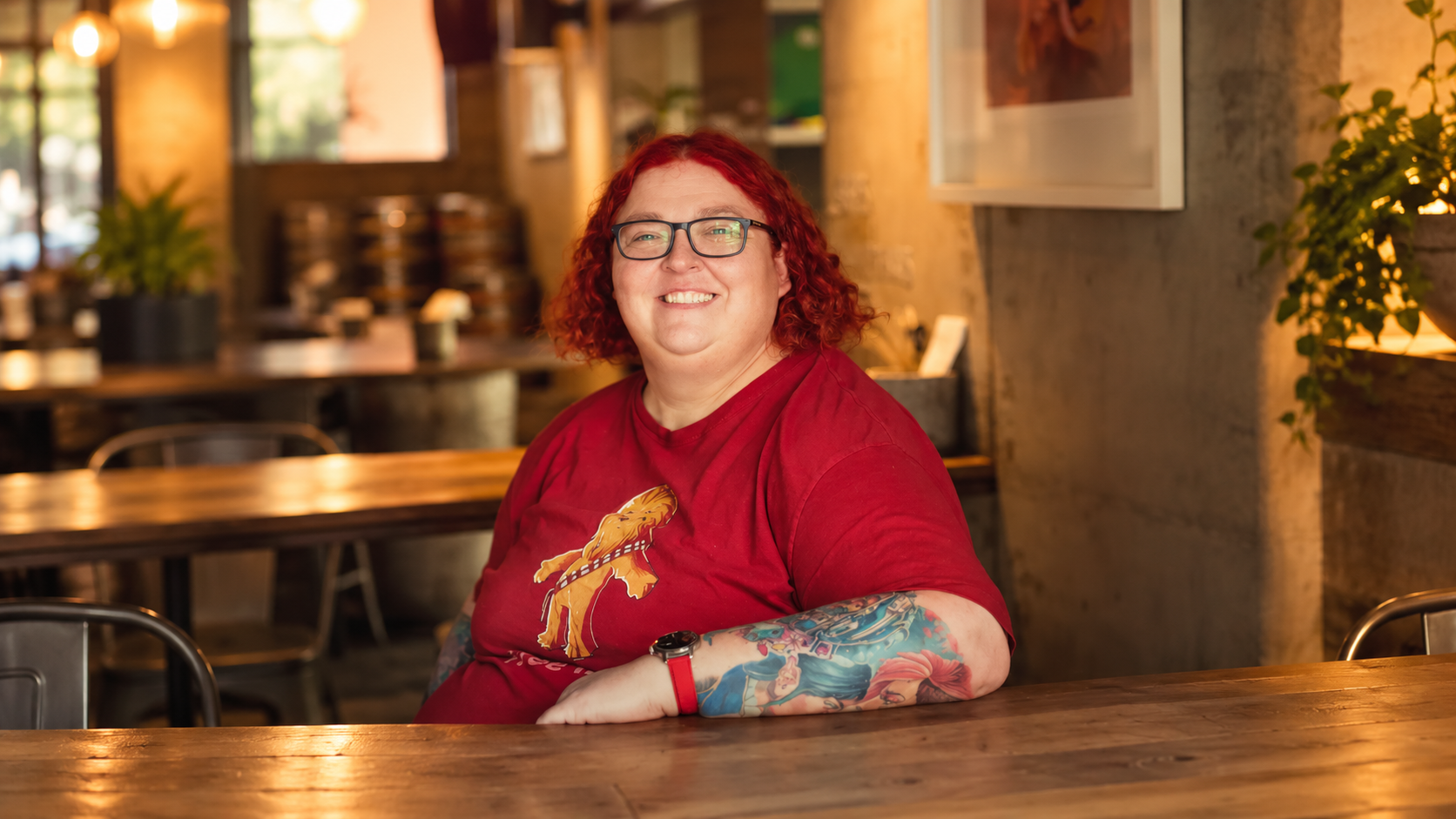
I'm just six minutes into my conversation with Meri Williams when I realise the half an hour I have booked is nowhere near enough.
As part of our “Hearing From” series, the former Monzo CTO talks about leading teams and staying useful when things go wrong.
We also get into their early fear of public speaking, the school that shaped them, and why getting ahead comes with a responsibility to help others do the same.
Let’s start from the very beginning:
After three years interning at Procter & Gamble, Meri graduated with substantial experience and quickly moved into management.
“One of my direct reports had been in the company 29 years at that point, and I was about 23 when I became his manager.
“I gave the speech for his 30-year anniversary at the company and had to admit, ‘I’ve Googled what happened on this day in history,’ because I wasn’t even alive yet.”
At the time, management was the only route available if Meri wanted to progress. P&G provided training, and Meri learned from a senior mentor, alongside seeking out books and research for themselves.
“One of the things that really frustrates me about tech is that we act as though we have to start over again with 1920s-style factory management and iterate our way from there. And there’s 100 years of management science that you could consult and consider, right?”.
Managing teams, and remaining a team player:
For Meri, seniority comes with a responsibility to remain useful to the people doing the work. They have a clear personal benchmark for this.
“I don’t need to code every day or be able to jump in and deliver product directly, but I need to be useful in an incident. And so I want to understand enough about the architecture, the systems, the teams, the projects, the products, the work that we’re doing, that if we have something major go wrong, I can be useful in that moment.
“And that doesn’t mean shoving anybody else out the way and researching and fixing it myself, but it does mean trying to have sufficient detail that my engineers find me helpful in the incident call, that I can take over for an engineer who needs to go walk their dog or feed their kid or whatever else in the middle of a major incident.”
“There are plenty of CTOs who are annoying as shit when there’s a major incident because they don’t really understand anything, and they’re just sort of sat there going, ‘Is it fixed yet? Is it fixed yet? Is it fixed yet?’
“And that’s not helpful to the team.”
As teams grow, Meri sees more opportunities to match people’s strengths to the work.
“The main art of management in an early-stage or small team is just to help people hang on to the rocket ship and grow with it.
“I think that when you get a slightly bigger team and a bigger organisation, the role of the manager is more to cast people in the right role. So how do you make the best of what they’re brilliant at?”
Building a ramp:
Meri’s team-first mentality and enthusiasm for building up those around them is clear. And it’s something that was instilled in them from a young age.
Meri’s grandfather, who went down the mines at 13 to support his family, believed that each generation might have one person with the chance to improve their circumstances. The family should support that person, who then had a responsibility to look after everyone else.
“It’s about not pulling the ladder up behind you, but building a ramp. Making it easier for the next people who want to make that move.”
Through their charity, One Goes Up, Meri and their wife pay the final-year school fees of four girls each year at their former school, Rhenish Girls’ High School in South Africa, alongside sponsoring prizes. They also make a point of explaining why.
“I genuinely wouldn’t have had the career I’ve had. I wouldn’t have been the person I became without this school. And I’m very open and very clear with the school that they made a big difference to me and that I want to pay that forward and help other women and non-binary folks to get into STEM roles ideally, but some of them do interior design or psychotherapy or various other things as well.”
Public speaking and pushing through discomfort:
It’s immediately obvious in our conversation that Meri is a brilliant storyteller, so I’m curious about whether speaking has always come naturally.
“I hated public speaking as a child. I had a bad stammer, and I was terrible at the oral exams we had to do at school.”
As a teenager, they joined the debating team after reading about an orator who worked to overcome his own speech difficulties.
“I was good at arguing. I just wasn’t good at public speaking.”
Their first technology talks came from wanting to attend conferences. Their employer wasn’t funding tickets, and they couldn’t afford to pay to attend as an individual.
“And so my pitch was ‘Well, if I spoke, then I would get a free ticket’. And so my early speaking experience was all just to be able to be at the conference and be a part of it.”
That developed into years of speaking and hosting, including 11 years chairing the technology leadership conference LeadDev.
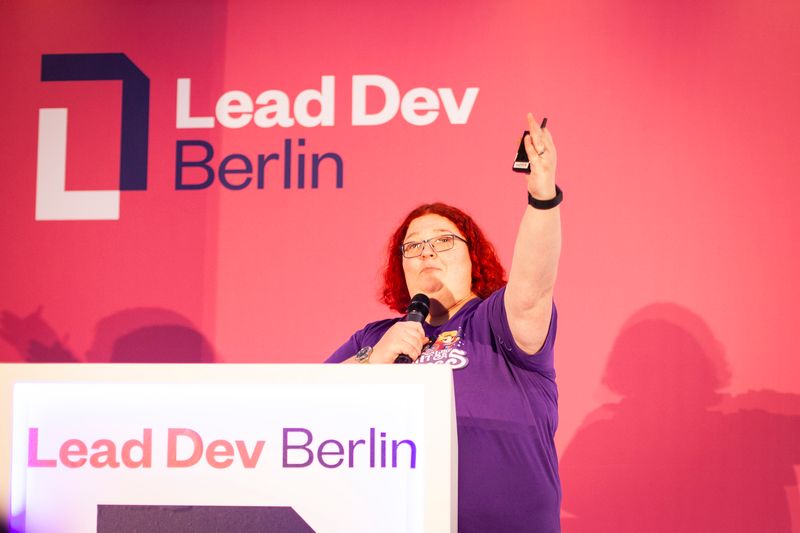
These days, Meri receives more invitations than they can accept. However, they keep a list of women and non-binary people who want to speak more, recommending them when they’re unavailable or an opportunity isn’t right for them.
Their grandfather’s philosophy seems to be travelling well.
A final thought:
We don’t get to all of my questions. I'm having too much fun chatting away and hearing some of Meri's stories from the coalface of tech.
Barely a day later, I recieve a follow up email with their thoughts on the final question we hadn’t reached: how organisations can encourage introverts to speak up and make sure their contributions are recognised.
Their answer includes recognising “glue work” (learn more about that here): the often overlooked work of supporting colleagues and keeping a team functioning.
“Organisations should design how work gets shared to optimise for introverted folks and those from less individualistic cultures, as this helps everyone. Make it normal to ask people what they are proud of, and for managers to help ‘boost the signal’ so it’s not all down to the individual feeling they have to brag in order to get recognition."
“I also feel reward and recognition programs should actively seek ‘quiet brilliance’ because they are the real Most Valuable Players in most teams, and you overlook them to your and the team’s detriment.”
There’s something reassuring in that answer: being recognised shouldn’t depend on how comfortable you are talking about yourself. Leaders have a responsibility to notice good work and help other people see it, particularly when the person doing it is quietly holding everything together.
The follow-up itself reflects that same care. It’s a generosity of thought and attention that I’m grateful for, and I imagine anyone who’s worked with Meri would recognise too.
____________________________________________________________________________
On Meri’s reading list:
Peppered into our chat, Meri recommends a number of very interesting sounding books. I scribbled some of them down and in the interest of sharing, you can find them here:
- First, Break All the Rules: Drawing on Gallup’s research into what makes teams high-performing. Meri’s favourite management book.
- Drive, by Daniel Pink: On motivation at work, including purpose, autonomy and mastery.
- Turn the Ship Around! by Captain David Marquet: A first person account on submarine management, but a wider tale on learning to lead people whose jobs you haven’t done yourself. Meri also recommends looking up the sketchnote video if you haven’t got time for the book.